
An AI model you can download for free and run on your own server just beat the top-tier model I pay for every month — at coding. And it didn't come out of a US lab. It's an open-weight model from China.
So I went looking for the part nobody puts in the headline: whether you can really run this thing yourself, what the API actually costs, and how the security math works out.
- In blind code evaluations, a Chinese open-weight model beat the paid frontier for the first time (as of July 2026).
- Running it yourself at home isn't realistic, though. At 2.8 trillion parameters, almost everyone ends up on the API.
- API pricing lands around one-third of the top paid tier — but the security story is a genuine double-edged sword.
How a free model beat the paid frontier
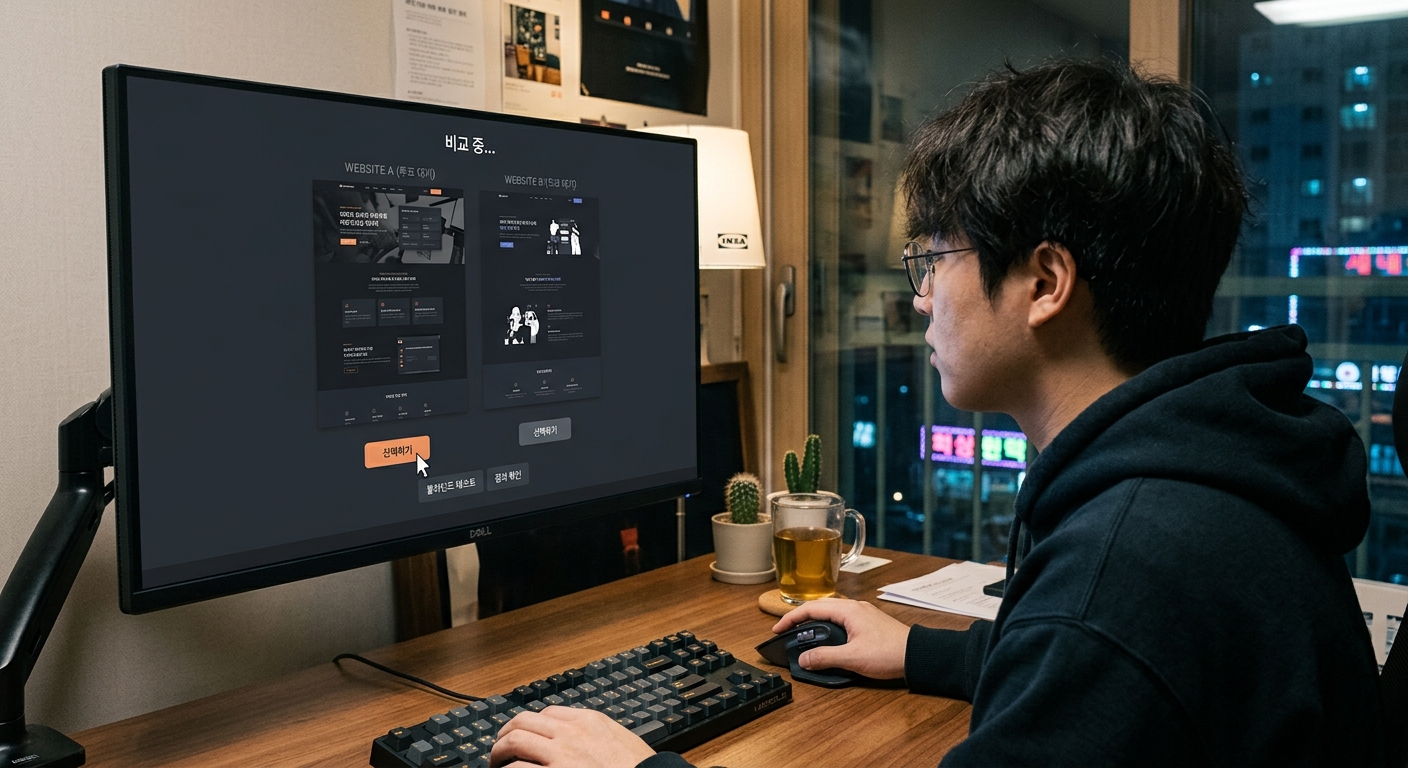
Here's what happened. In a front-end code arena — two models' outputs side by side, names hidden, you vote for whichever looks better — an open-weight model called Kimi K3 took the top spot.
Even at the height of the DeepSeek moment, open models crept up on this line without ever crossing it. This time was different.
The margin is razor thin. On public coding benchmarks, this model scored 69 to the best paid model's 70. One point.
The funny detail: the official site lists a lower number, 67.5. Labs almost always round their own scores up. This one rounded down.
It didn't win by throwing money at the problem, either. The company behind it is valued around $20 billion — nowhere near the top American labs.
But can you actually run it at home?
This is where the air goes out of the balloon. The model is 2.8 trillion parameters. It'll take up to a 1 million token context window, but size is what trips you up.
This is not a one-or-two-GPU model. Realistically, you need datacenter-class hardware to run it in full.
Open weights mean the model is free. The hardware to run it is not. That's the catch.
The trend line is still clear, though. People are squeezing 27B-class models down to 1-bit quantization — about 3.9 GB — and running them on phones.
You'd expect quality to fall off a cliff. It holds up better than you'd think: composite scores slid from the mid-80s to the mid-70s.
Giant models stay on the API; small models keep moving into your pocket. That's the split happening right now.

I ran the pricing through a calculator
If most of us are using the API anyway, we have to talk about the bill. Here are the published prices per million tokens (as of July 2026).
| Model | Input (per 1M tokens) | Output (per 1M tokens) |
|---|---|---|
| Kimi K3 | $3 | $15 |
| Paid model A | $5 | $30 |
| Top paid tier | - | ~$50 |
Half price at a glance, and roughly a third of the top tier. There's one trap, though.
Your real cost depends heavily on how many tokens a model burns to get to an answer. A chatty model can wipe out a cheap unit price by the time the invoice lands.
Once you price it that way, the gap isn't as dramatic as the table makes it look. The distance from the top paid tier is still substantial.
The paid camp hit back immediately
The moment the free side started climbing, the paid side moved. There had been a plan to pull one specific flagship model out of the flat-rate subscription and bill it separately.
Then they reversed it. As of July 20, that model is back inside the higher-tier plan — but only about half your monthly usage is covered by the flat rate, and the rest runs on credits.
You can read the strategy from here. Bundle it only into the premium tier and you nudge people up into a more expensive subscription. With open weights undercutting you at half — or a third — the price, tucking your flagship behind an extra paywall is how you lose customers.
Why the security angle cuts both ways
This is the part that stuck with me longest. The CEO of one infrastructure company ran their own evaluations and came away saying the model's cybersecurity capability is genuinely frontier-class.
The problem is precisely that it's open-weight. You can strip the guardrails off and run it without limits. That's reassuring on defense and just as dangerous in the wrong hands. A good knife makes dinner and sends people to the ER.
Right on cue, there was a wake-up call. A command-line coding tool turned out to be uploading not just the files relevant to your question, but the entire project repository — commit history included — to its servers.
Files you never opened, keys you hardcoded, history you thought you'd deleted: all of it went up. Reportedly tens of thousands of times more data than the task needed, and no amount of fiddling with privacy settings stopped it.
The company eventually disabled the upload feature and said it would delete the data, then open-sourced the tool after the backlash. Now anyone can read exactly what gets shipped to their servers. Opening up is how you earn trust back — an ironic way to prove the point.
So what's worth doing today?
Nothing dramatic required. Open one of the free code arenas, send the same prompt to two models, and vote blind. You start building an instinct for judging the output instead of the logo attached to it.
A simple decision rule helps: if you're handling sensitive code or personal data, find out where that data goes before anything else; if cost is your constraint, use an open-weight API; if you need maximum reliability, pay for the frontier.
Today's "free finally beat paid" may be completely unremarkable in a few months. Rather than sprinting after that pace, I'd rather get a real grip on the one tool that fits my hands.