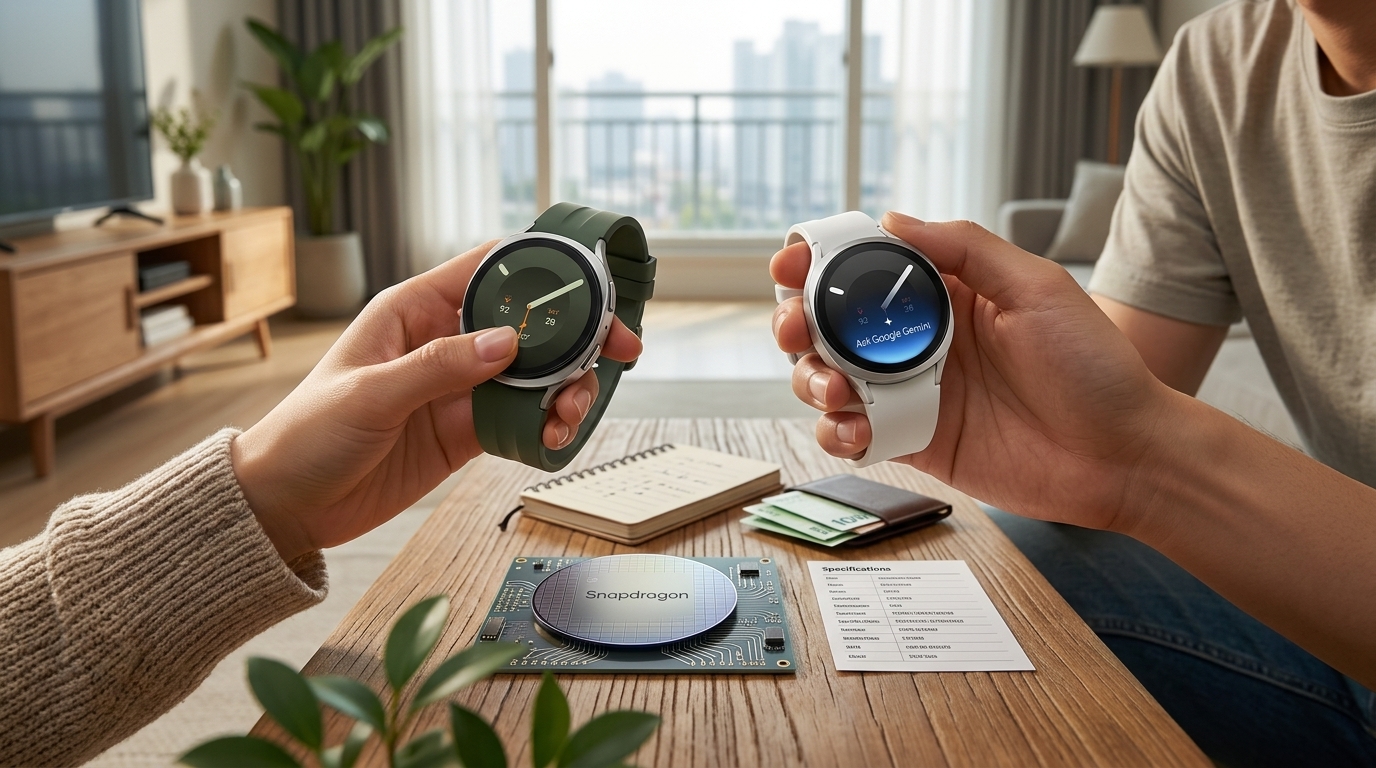
You twist the bezel and the screen catches up half a beat later. If you've worn a smartwatch for more than a year or two, you know exactly the feeling I mean. That lag is the one thing Samsung says it went after with the Galaxy Watch 9 and the Watch Ultra 2. The price went up right along with it, though. So let's add up only the published numbers and see whether the money lands anywhere useful.
In a hurry? Here are the three lines that matter
- The biggest change is the silicon. Samsung moved off its own Exynos chip and onto a Qualcomm Snapdragon Wear part.
- The model that genuinely feels like a new generation is the Ultra 2: 1.3 mm (about 0.05 in) thinner, with 210 mAh more battery.
- On the standard Watch 9, only the 40 mm got a real battery bump — up 20%. The 44 mm is, honestly, last year's watch with the edges sanded down.
That's the summary. Now here's the math behind it.
Why swapping one chip is a bigger deal than it sounds
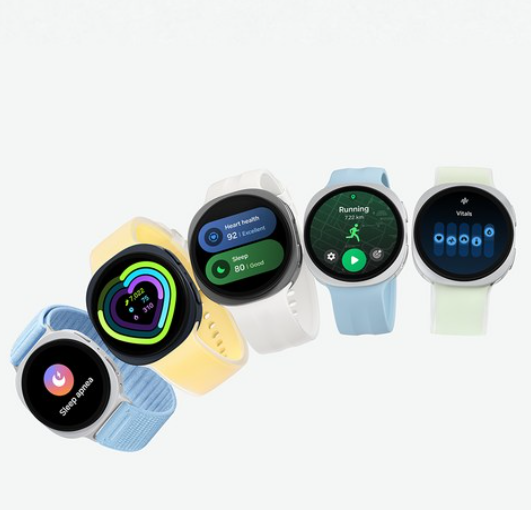
Samsung watches ran on in-house Exynos-family chips for years. This generation flips to Qualcomm's Snapdragon Wear line. The brand name on the die isn't the point.
The point is software support. It means the watch now runs the chip that Wear OS developers optimize for first. Samsung moved onto the platform that app makers actually target as their baseline.
Scanning through early reviews and owner threads, the same observation keeps surfacing: bezel rotation and app-drawer scrolling hold their frame rate now.
It isn't all applause, though. Plenty of people still report a brief splash screen when an app cold-starts.
So here's where that leaves us. Flicking through the interface feels clearly better. App launch speed is still a question mark.
Put the Watch 9 and Ultra 2 in one table and the answer shows up
Everything sounds great in prose. So I pulled just the numbers and lined them up. These are the specs published as of July 2026, with Korean launch pricing converted for reference — US retail tends to track close to it.
| Spec | Watch 9 40 mm | Watch 9 44 mm | Watch Ultra 2 47 mm |
|---|---|---|---|
| Battery | 390 mAh | 445 mAh | 800 mAh |
| vs. previous gen | +65 mAh (about 20%) | +10 mAh (about 2%) | +210 mAh (about 36%) |
| Case weight | 31.5 g (1.11 oz) | 34 g (1.2 oz) | Up 1 g (0.04 oz) from last year |
| Thickness | Roughly unchanged | Roughly unchanged | 10.7 mm / 0.42 in (1.3 mm thinner) |
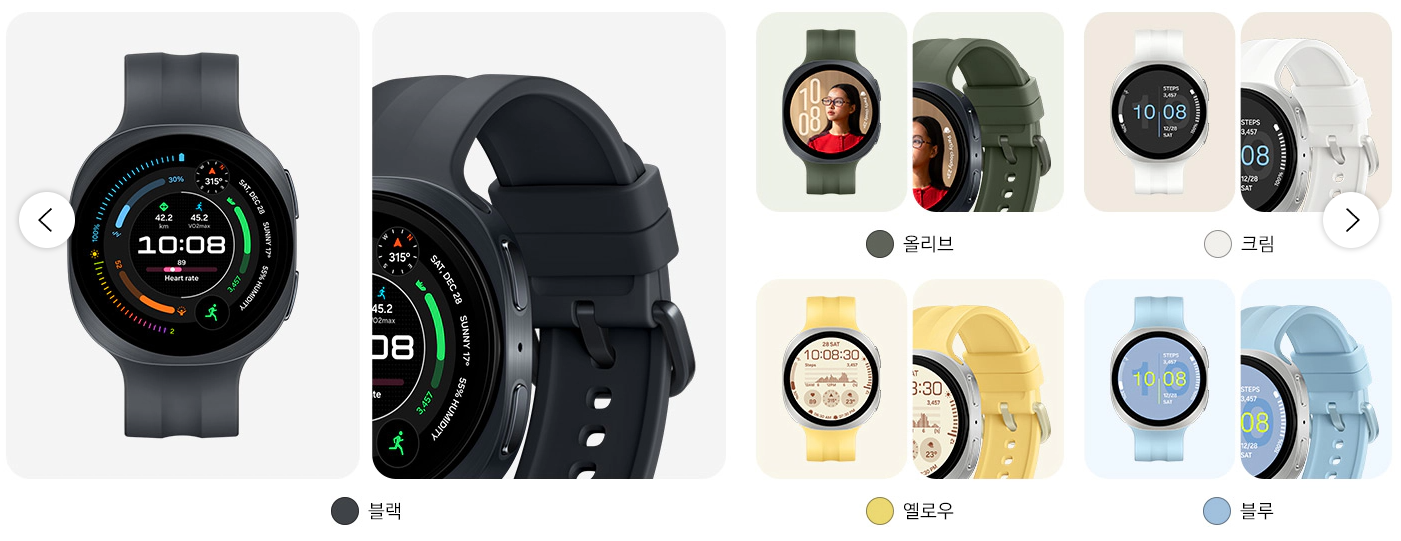
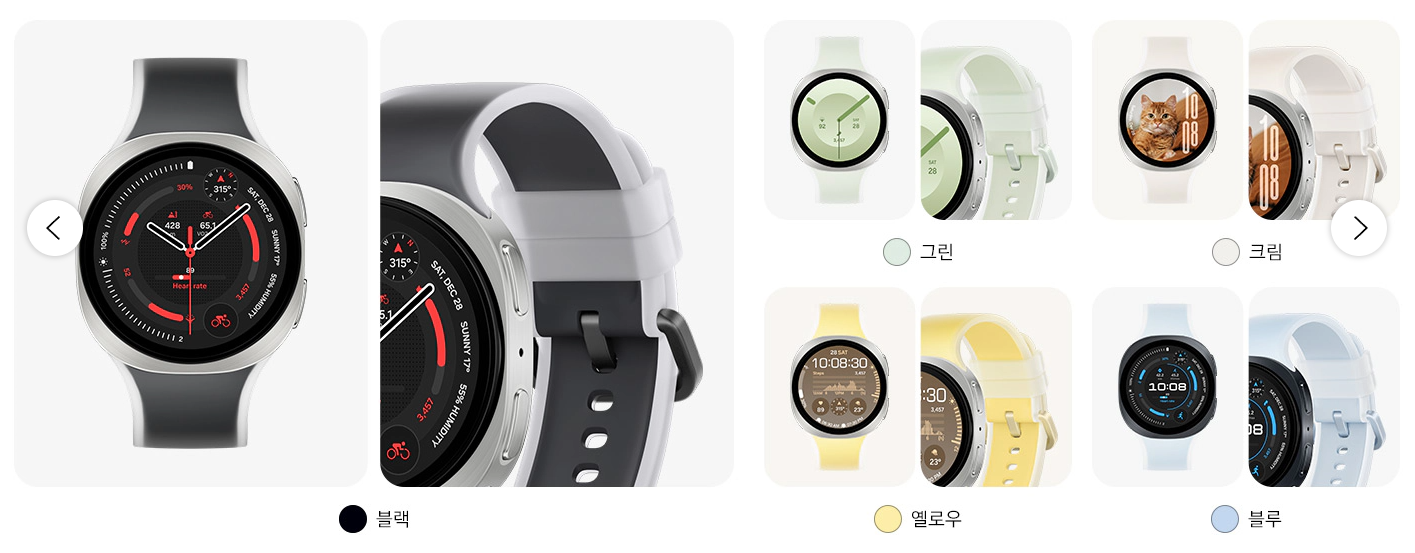
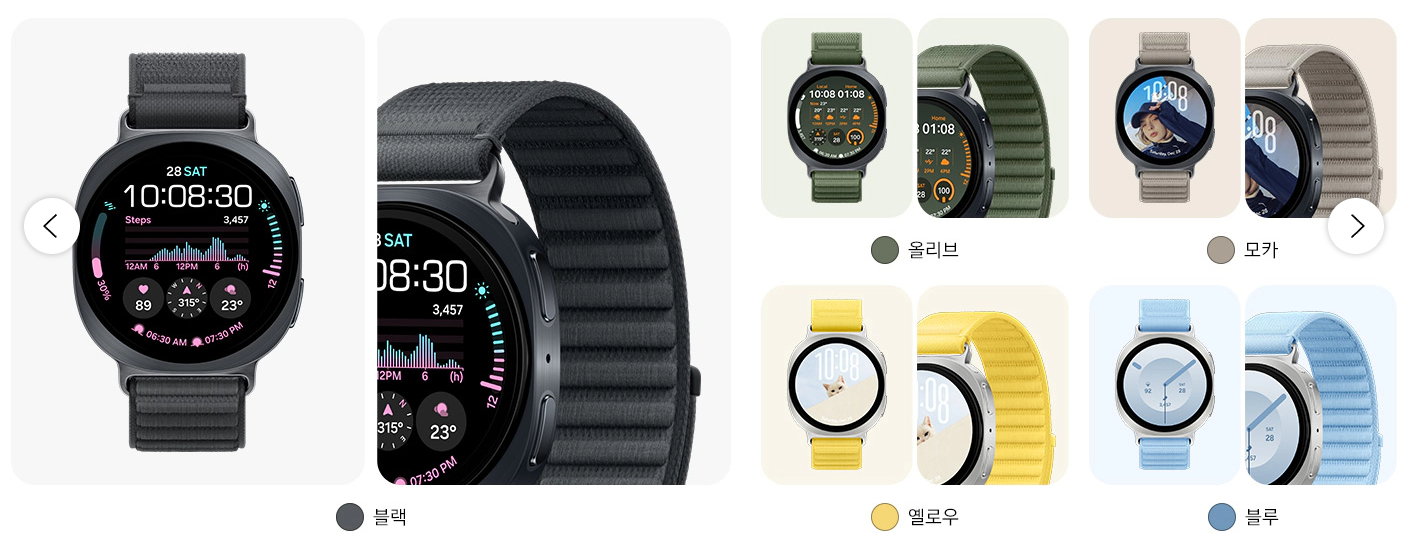
| Exclusive color | Cream | Silver | Titanium Silver, Titanium Gray |
| Price (Bluetooth) | ₩499,000 (~$360) | ₩539,000 (~$390) | From about ₩969,000 (~$700) |
One cell should stop you cold: the 44 mm's +10 mAh. As a percentage, that barely clears 2%. That's a sip of coffee's worth of extra capacity, which means you should read it as flat.
The 40 mm, on the other hand, picked up 20%. If you've been wearing the small model and hunting for a charger every single night, this is the generation where upgrading actually pays.
I ran the pricing too. LTE adds roughly ₩30,000 (~$22) at each size, so a 44 mm LTE lands near ₩569,000 (~$410). Stepping up from there to the Ultra 2 costs another ₩400,000 (~$290).
That's a whole midrange smartwatch worth of money. What you'd use to justify closing that gap is basically the entire decision.
Why did the Ultra 2 suddenly calm down?
The recurring complaint about the first-gen Ultra was that it made itself known every time you flexed your wrist. It was thick, the shroud wrapping the right-side button jutted out, and the diamond-cut chamfer threw light everywhere.
Gen 2 tones nearly all of that down. Thickness drops to 10.7 mm (0.42 in), and the piece beside the button shrank from a wraparound shroud into a small island. The bezel ring is flatter now, too.
The fun part is the display. The case footprint didn't grow — Samsung just shaved the bezel, pushing the screen to 1.52 inches at 498×498. Smaller body, bigger screen.
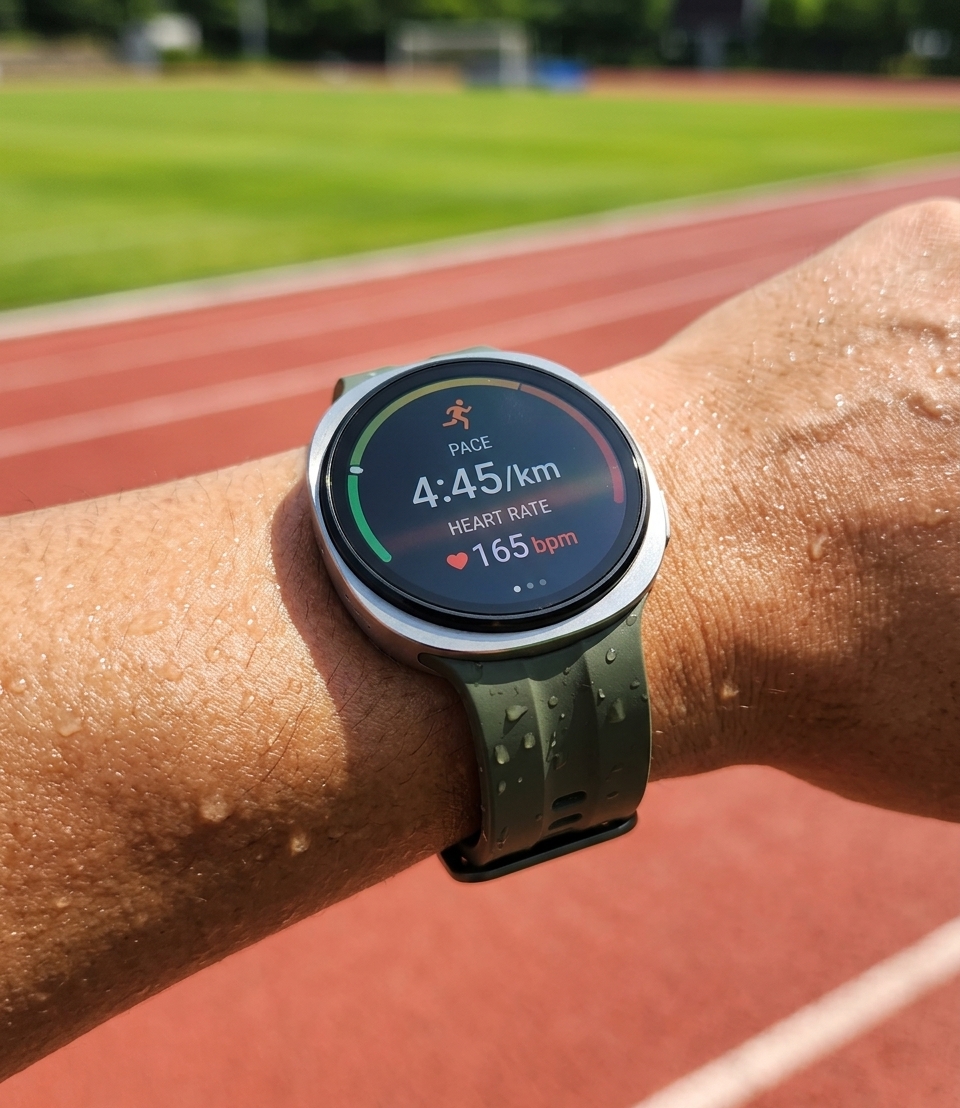
Peak brightness is officially rated at 5,000 nits, which Samsung says is a first for a smartwatch.
You know the move: noon in July, mid-run, screen washed out, so you cup a hand over it to make some shade. That number exists to delete that hand motion.
It's a dive computer now — so why is there a subscription?
The most distinctive change on the Ultra 2 is diving. With EN13319 certification, it can function as a dive computer, and a depth gauge is included out of the box. Water resistance also moved up to tougher test conditions.
There's a catch attached, though. To use the real dive-computer features — decompression data, no-decompression limits — you have to subscribe to a separate dedicated app.
It's built with a partner company, and support is slated for the second half of the year. The subscription price hasn't been announced, so that's one to verify against the official notes before you commit.
Other rugged watches reportedly go the same route. Still, buying a roughly $700 watch and then paying monthly on top is something you want to know going in.
If diving isn't why you're buying, read this certification as "it handles water better now" and leave it there.
Three things to screen out before you buy
- The straps don't cross over. The Watch 9 and Ultra 2 use completely different lug interfaces. You can't put an Ultra band on a Watch 9, or the reverse. If your plan involved keeping the straps you already own, it stops here.
- Still no UWB. There is improved location tech in here, but it isn't ultra-wideband. If you were hoping for digital car keys or precision tag finding, set that expectation aside.
- Watch faces are still a weak spot. Four new ones: Analog Balance, Photo Face, Radial Dashboard, and Dual Number. Nothing in there is going to be the reason anyone buys this watch.
The stock software mostly adds some dimensional polish to the icons. Glance at the screen alone and you'd struggle to tell it from last generation.
There are a couple of small, welcome wins, though. The included band is hollowed out on the underside in an air-pocket pattern to shed weight, and the strap keeper that holds down the loose tail end is back. It's much closer to a normal wristwatch than the old tuck-it-underneath approach.
How I'd actually pick one
The criteria are simpler than you'd expect. Wrist size and charging habits get you almost all the way there.
- Slim wrists, and nightly charging has been a chore → Watch 9 40 mm. It gained the most battery of anything this generation.
- Already on a 44 mm and upgrading for battery → no rush. Capacity went up 2%. Only make the jump if chip performance is the actual goal.
- Outdoor training is routine and glare-washed screens drive you nuts → Ultra 2. The thinner case is the single biggest change here.
- You miss haptic alerts a lot → the Ultra 2's X-axis linear motor gives a heavier, more solid buzz.
If you do one thing today, do this: take off the watch you're wearing and set it in your palm. Get a physical read on the weight and the thickness.
31.5 g. 10.7 mm. Those are completely different numbers in a spec table than they are on your wrist.
Nobody really buys a watch off a spec sheet. It's a thing that sits against your skin sixteen hours a day.