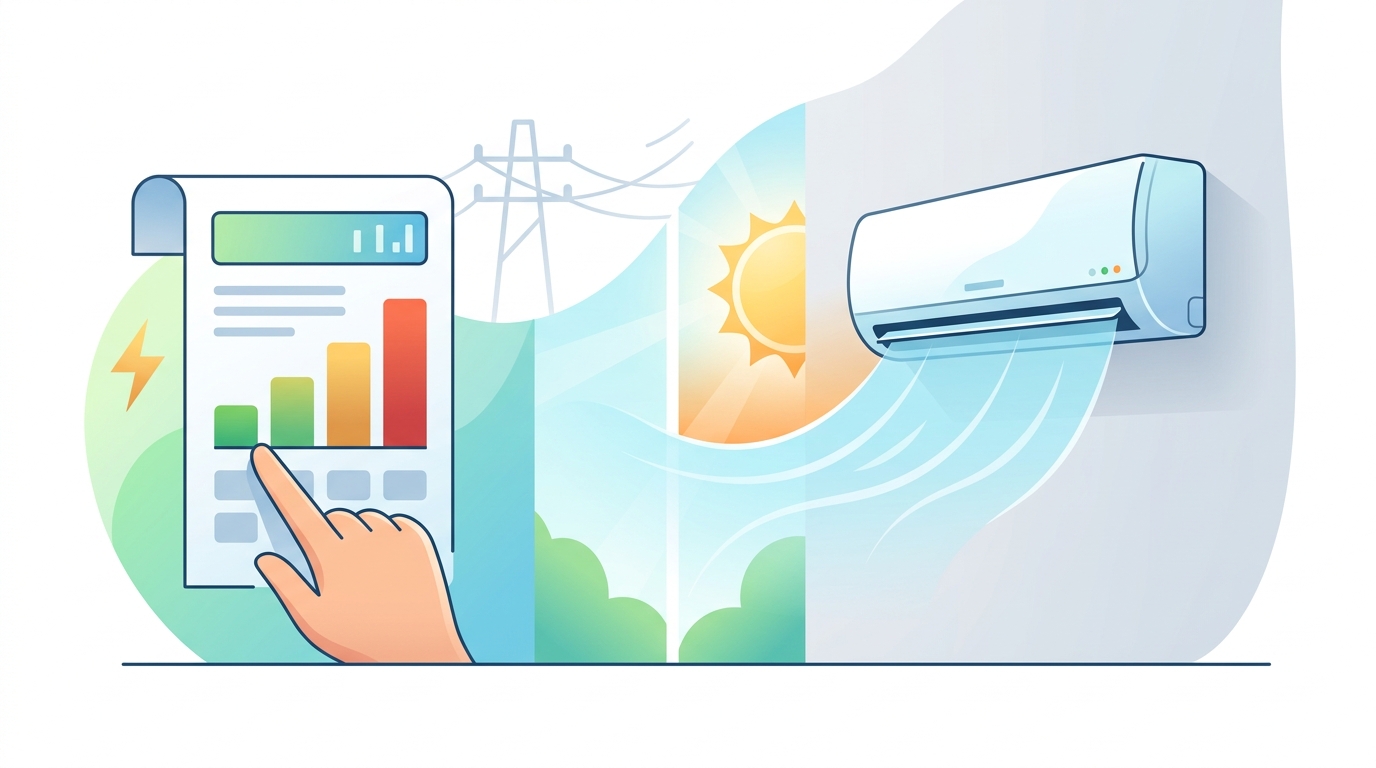
That envelope from the county has been sitting on the kitchen counter for about a week now. You opened it, looked at the number, and put it back down. Same here. But the people who actually think through paying property taxes with a credit card tend to quietly walk away with a little more than the rest of us — or at least stop handing over money they didn't have to.
There are three things to check, in this order: the convenience fee, the rewards, and the 0% APR window. Below is how they stack up, plus the places people consistently trip. Everything here reflects what I checked in late July 2026.
- In the US, the county almost always passes the card processing fee to you — figure roughly 2% to 2.5% for credit cards, a flat few dollars for debit at many processors, and free or near-free for eCheck.
- Fee rates and the payment vendor are set county by county and change when contracts change. Read your treasurer's own payment page, not a roundup table someone wrote last year (this one included).
- Card-linked offers and statement credits usually require you to activate the offer before you pay. Swiping alone doesn't enroll you.
Does paying by card actually cost you extra?
Nine out of ten people ask the same thing when I bring this up: “doesn't the county take a cut?” Not the county — the payment processor. Federal tax payments through the IRS-authorized processors run about 1.75% to 2% on a credit card. County property tax is usually a bit steeper, commonly 2% to 2.5%, because the vendor contract is local.
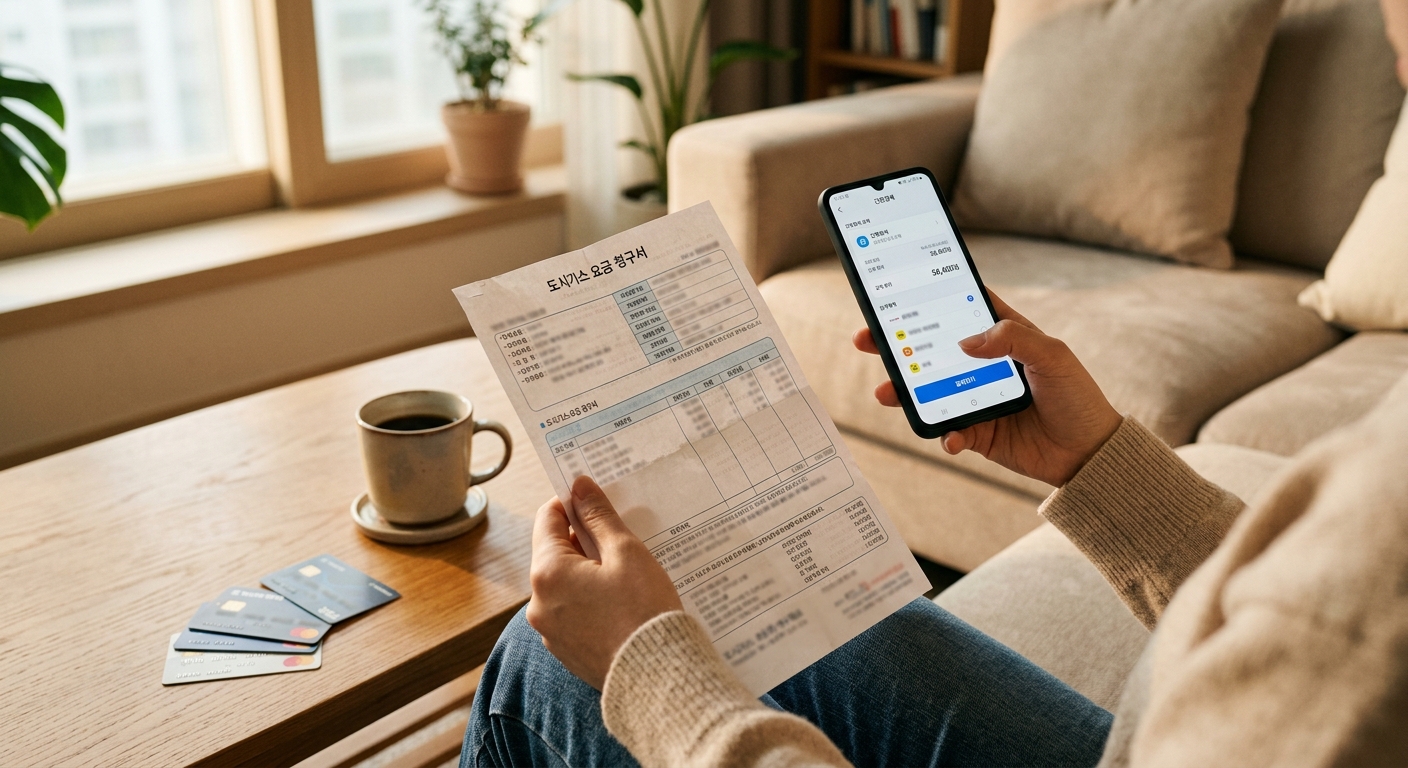
Worth knowing for contrast: in South Korea, local taxes like property tax are card-payable with the processing fee absorbed on the card side, so a 300,000 won (about $220) bill costs exactly 300,000 won. That is not how it works here, and assuming otherwise is how people get surprised at the confirmation screen.
Run it on a $3,000 bill. At 2.25%, the fee is $67.50. Paying the same bill by eCheck straight from checking is free at a lot of counties, or a flat fee around $1.50. Some processors also charge a flat fee (often $2 to $4) for debit cards instead of a percentage — on a four-figure bill, that single line is the biggest lever on this whole page. The fee schedule will spell out which applies.
One point that gets missed: the convenience fee itself is not deductible on a personal residence. The property tax is, if you itemize and stay under the SALT cap — which was raised to $40,000 starting with 2025 returns, with small annual bumps through 2029, so check the current year's figure. Either way, the upside of paying by card is rewards and cash flow, not a bigger write-off. Keep those separate and the math stays honest.
0% APR or rewards: which one actually wins on your bill?
Pull up a calculator and it gets clear fast. That $3,000 bill costs $67.50 in fees. A flat 2% cashback card hands back $60. You just paid $7.50 for the privilege of using plastic.
So a plain rewards card loses to the fee almost every time. The exceptions are real, though. A new card with a $200 bonus after $3,000 of spend turns this bill into roughly a 6.7% return in one shot. Same story if you're chasing a spend threshold for a companion pass or an annual credit.
Now the 0% APR intro offer, which is the closest US equivalent of splitting a bill into interest-free installments. Say you park $3,000 on a 12-month 0% purchase offer and pay $250 a month while the cash sits in a 4% APY savings account. That earns you something like $60 to $65 — about what the fee costs. Which tells you the point: the value of 0% APR is timing, not interest earned. If property tax lands in the same month as summer travel and a tuition bill, spreading it is the whole benefit.
| Payment route | What it usually looks like | Best for |
|---|---|---|
| eCheck / ACH from checking | Free, or a flat fee around $0.50 to $1.50 regardless of the amount. No rewards, no float. | Anyone who just wants the cheapest path |
| Debit card (flat fee) | Often a flat $2 to $4 at processors that price debit separately. Money leaves your account immediately. | Large bills where a percentage fee would sting |
| Everyday rewards credit card | 2% to 2.5% fee against 1.5% to 2% back. Usually net negative. | Almost nobody, unless the card earns above the fee |
| New card sign-up bonus | A big bill clears a $3,000 to $5,000 minimum spend in a single transaction. | People already planning to open a card |
| 0% APR intro purchase offer | 12 to 21 months interest-free. The convenience fee still applies up front. | Households with a tight month ahead |
None of these numbers are fixed. The rate depends on your county's current vendor, and vendors get re-bid. Whatever applied last November may not apply now.
Which is why the single most valuable thing on this page takes thirty seconds: open your county treasurer or tax collector's payment page and read the fee line for each method before you click anything.
Paying online: the five-minute version
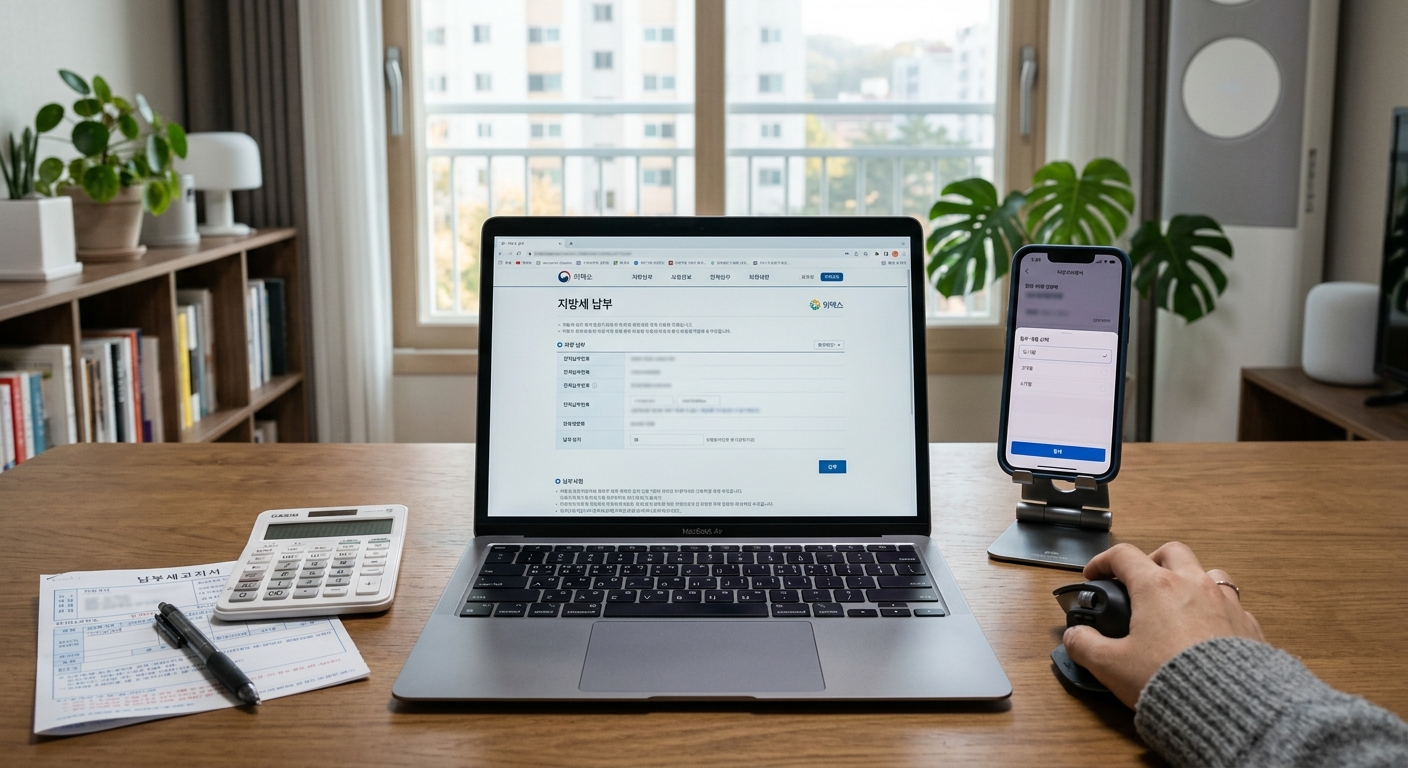
Lost the paper bill? Not a problem. Every county portal I've used lets you pull up the account by parcel number (your APN) or by property address, and the amount due plus the installment schedule shows up right there.
One trap: the portal you want is your county's, and in some places the city, township, or school district bills separately from the county. Independent cities in Virginia and split city-and-county bills in parts of Ohio and New York catch people every single year — they call the county insisting their bill is missing when a different office issued it.
- Search “[your county] treasurer property tax payment” and confirm you landed on the official .gov domain
- Look the property up by APN or address, or type in the bill number from the notice
- Select the installment you're paying, then compare the fee shown for eCheck, debit, and credit
- Before you enter card details, activate any card-linked offer in your issuer's app and make sure the card you're entering is the one carrying the 0% APR offer
- Save the confirmation number and the receipt PDF, then check that the charge posts as a purchase, not a cash advance
Step four is where it falls apart. People line up a 0% APR card, get to the payment screen, and autofill the wrong card — the offer evaporates and they don't notice until the statement. Make it a habit to check the card number on the screen before the amount.
Also skip the third-party bill-pay middlemen. Services that aren't affiliated with your county stack their own markup on top of the processor's fee and sometimes mail a paper check that arrives late. Go straight to the county's linked processor.
The mistakes that show up in every online thread
Scroll any homeowner forum in November or February and the same complaint repeats almost word for word: paid the tax bill with a card to trigger a $200 statement credit, and a month later nothing posted.
Nine times out of ten the offer was never added to the card. These promotions work off enrollment, not spending — you have to tap the offer in the app first. And plenty of them exclude government and tax merchant codes outright, which is in the fine print nobody opens.
The costlier version of this mistake: paying a bill your mortgage servicer already escrows. If taxes are built into your monthly payment, paying the county yourself creates a duplicate. You'll get it back, but it takes weeks and it scrambles your next escrow analysis. Check the servicer before you pay a cent.
Business and corporate cards are worth flagging too. They're frequently excluded from intro APR promotions, and some processors price them at a higher rate than consumer cards.
If the bill is genuinely large, there are options besides plastic. Most counties already split the year into two installments, some into four, and many offer partial-payment or monthly prepayment plans on request. Homestead, senior, veteran, and disability exemptions — plus outright tax deferral programs in a number of states — are worth one call to the assessor's office.
How much does missing the deadline actually cost?
Enough to make this whole comparison irrelevant. Delinquency penalties are brutal and they vary by state: California adds a 10% penalty the day after the deadline, while Texas starts at 6% penalty plus 1% interest in February and climbs monthly toward 12% plus a collection fee of up to 20% by July.
On a $3,000 bill, a 10% penalty is $300 — roughly five times what any cashback card would ever return on that payment. Interest keeps compounding monthly after that, and the exact schedule is on the back of your notice or your treasurer's delinquency page. The deadline beats the optimization, every time.
Three questions people keep asking
Is there any way to pay with no fee at all?
Yes — just not with a credit card. eCheck or ACH from a checking account is free or close to it at most counties, and paying in person by check at the tax office (or at partner banks, where that's offered) costs nothing. If you want a card, the fee is priced in and nobody waives it.
Where do I check this month's card offers?
The Offers or Deals tab in your issuer's app. Search the processor's name rather than “property tax,” since the merchant shows up under the payment vendor. Blog and forum tables age badly — last cycle's promotion circulates for months after it expires. Confirm in the app right before you pay.
Anything to prepare for the next installment?
Know your dates. California bills in two installments due November 1 and February 1, with delinquency dates of December 10 and April 10; other states run quarterly or on their own calendar. Set a reminder about ten days ahead and enroll in e-billing so the notice can't get buried. Some places also reward paying early — Florida gives a 4% discount in November, stepping down to 1% by February. Worth asking whether your county does something similar.
Give it five minutes tonight
Pull three cards out of your wallet, open each issuer's app, and search for the payment processor your county uses. Then open the county payment page and read the fee line. Five minutes and you'll know exactly which route costs the least and where the offer button is hiding.
The decision rule is simple. If next month looks tight, put it on the 0% APR card and accept the fee as the price of breathing room. If you're fine, pay by eCheck and skip the fee entirely. Only reach for a rewards card when a sign-up bonus or an activated offer clears the fee outright. And whatever you choose, don't blow past the date printed on the notice.
The money's going out either way. Picking how it goes out is the part that's still yours.