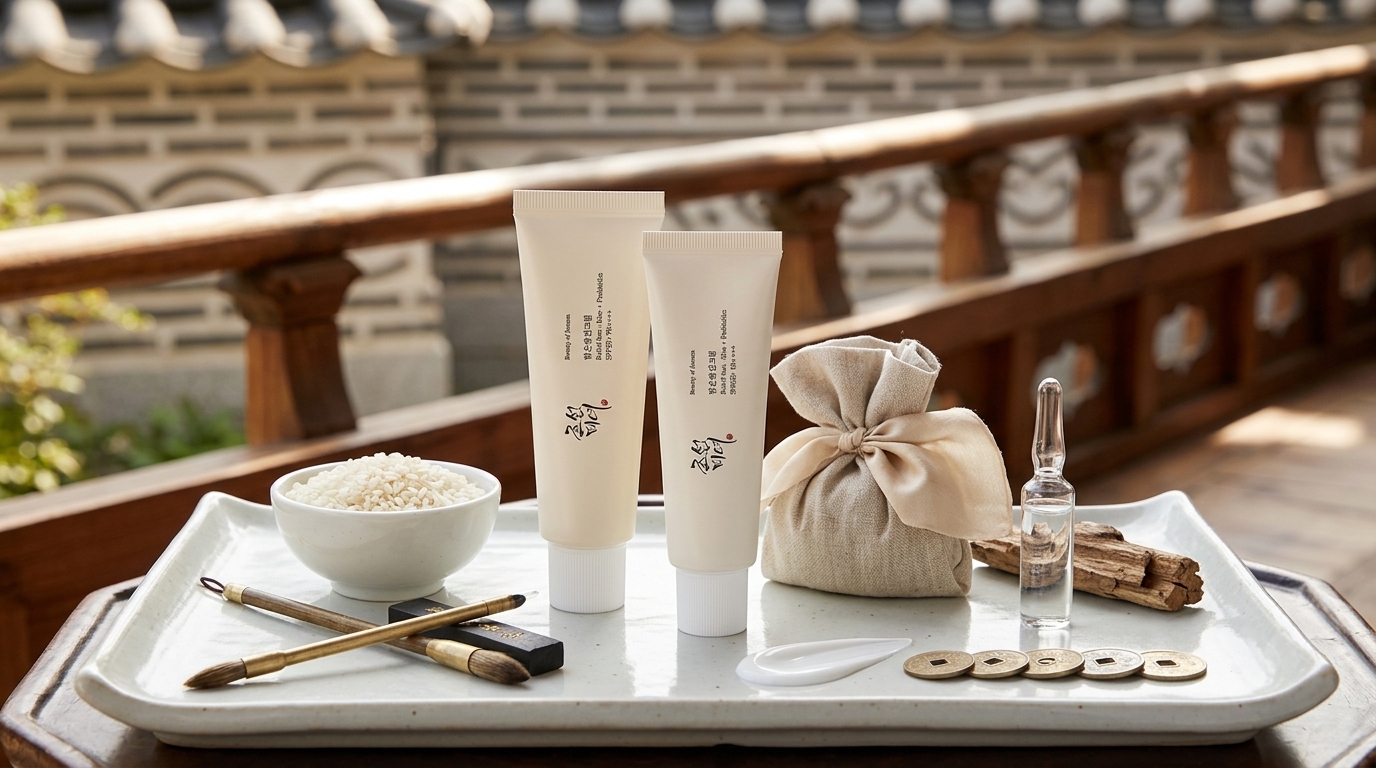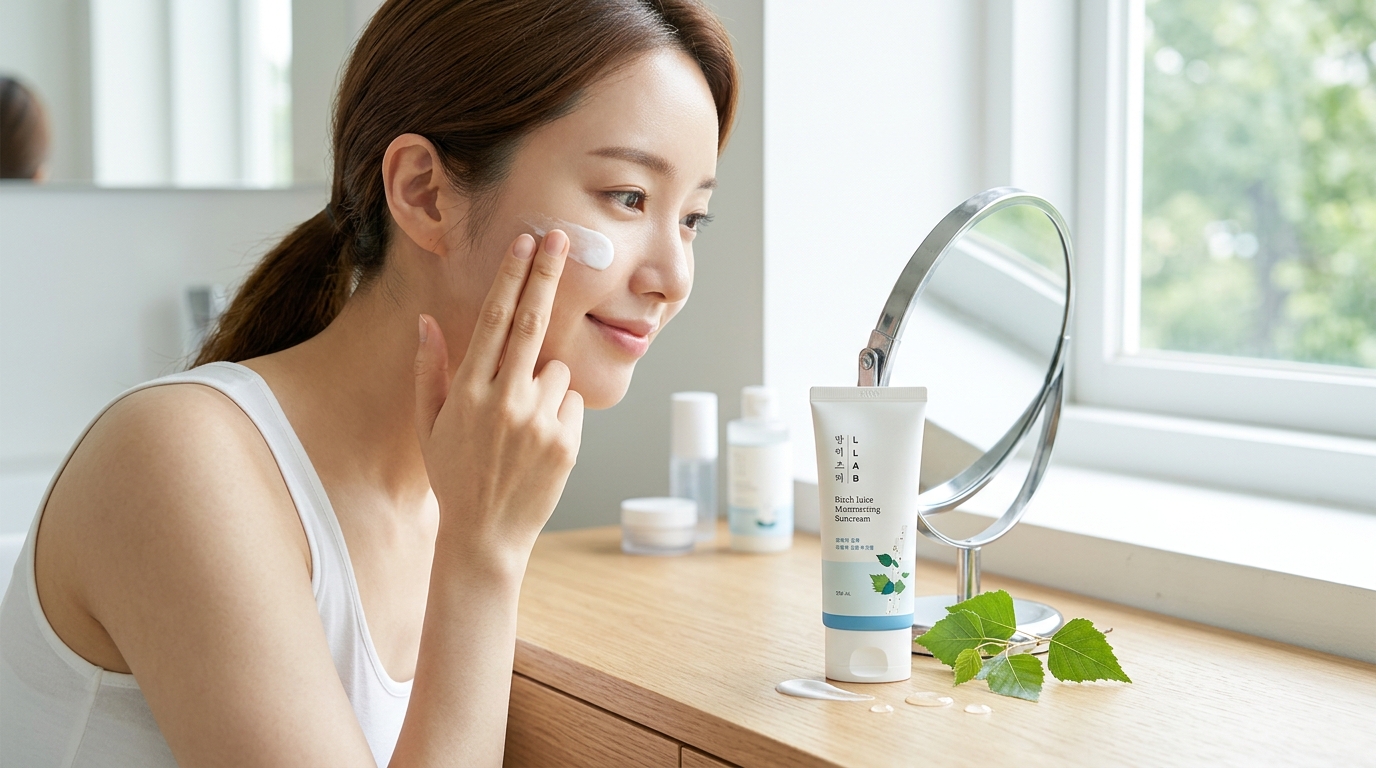
You already know you're supposed to wear sunscreen every single day. The problem is what actually happens when you do: the ghostly white cast in photos, the tacky film that pills under makeup, the tight feeling by 2 p.m. if your skin runs dry. And if you're sensitive, the list of formulas you can tolerate gets short fast. That's exactly why Round Lab's Birch Juice Moisturizing Sunscreen keeps showing up on shortlists in K-beauty circles. Round Lab is a Korean brand best known for gentle, minimalist formulas, and this SPF is the one people reach for when they want hydration instead of a heavy shield. The version I'm looking at here is the 50 ml + 50 ml two-pack (about 1.7 fl oz per tube), which is the size that makes sense if you plan to reapply generously. Here's a straight read on it, pulled together from the formula itself and a wide sweep of long-term user reviews.
What Round Lab Birch Juice Moisturizing Sunscreen Actually Is
It's a daily chemical sunscreen rated SPF 45+ PA++++. If PA++++ is new to you, it's the Asian standard for UVA protection — four pluses is the top tier, roughly equivalent to what you'd see labeled "broad spectrum" with strong UVA coverage in the U.S. And as the name promises, the emphasis here is on moisture. Birch sap leads the ingredient story, backed by hyaluronic acid and vitamins, with the whole thing positioned around soothing and hydration. Round Lab built its reputation on the birch line's gentle feel, and that same character carries straight into the sunscreen.
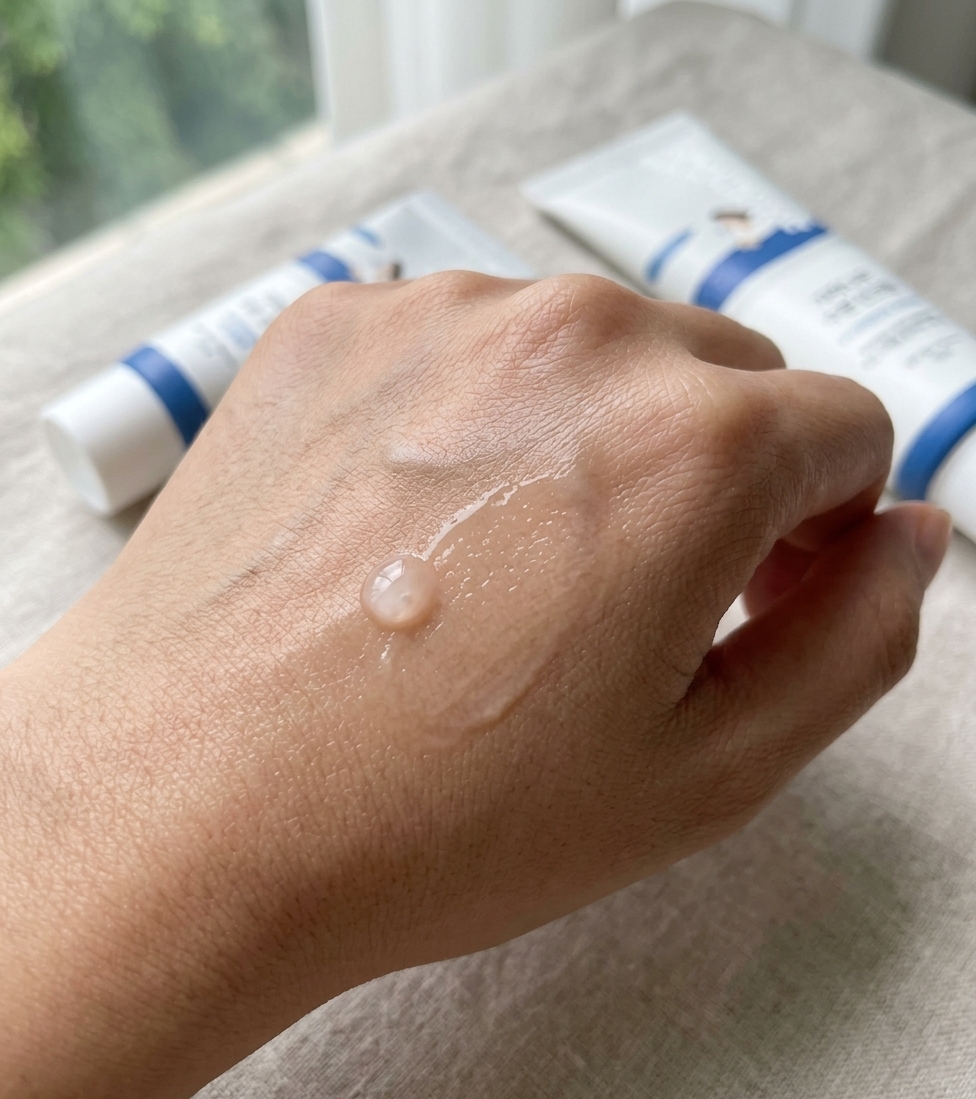
The single most repeated line in reviews is that it doesn't feel like sunscreen. Instead of the thick, heavy paste most people picture, it spreads more like a thin hydrating lotion or a light moisturizer. That's why so many people mention that it melts in without a white cast — you can rub it on half-awake on a weekday morning and still not look chalky. In short, this is unmistakably a sunscreen designed to be worn every day without a fight.
The Strengths That Come Up Again and Again
Pull together enough real-world reviews and the praise lands in three buckets.
Almost no white cast: "I can slap it on without a mirror and my face still doesn't go gray" is a remarkably consistent note. If you've ever taken a group photo where your face is the only thing glowing, this is the selling point.
The hydration holds: "I'm dry and my skin never got tight all day" and "dewy underneath, comfortable on top" show up constantly. It does enough moisturizing work that some people genuinely treat it as their last skincare step.
It plays fair with makeup: because the texture is thin and grips well, reviewers report minimal pilling or rolling when foundation goes over it. That makes it an easy everyday base.
Add it up and the real virtue is behavioral: it's light enough that applying it isn't a chore, which means you actually put it on daily and reapply without dreading it. With sunscreen, consistency beats specs almost every time — the best formula in the world does nothing sitting in a drawer. Judged that way, this is a genuinely practical pick.
Now the Honest Downsides
No sunscreen is universally great. Here are the complaints that repeat often enough to take seriously.
It gets shiny: all that moisture has a cost. Oily and combination skin types report a slick, oil-slick sheen by afternoon. If you want a matte finish, that glow reads as grease, not dew.
It can sting your eyes: several reviewers with sensitive skin mention stinging, especially once it mixes with sweat or oil. Worth knowing if you tend to apply heavily right up to the lash line.
Not built for heavy outdoor days: on sweaty summer hikes, beach days, or anything athletic, people say it slides off quickly and migrates into the eyes. This isn't a water-resistant sport formula, and it was never trying to be — it's a daily hydrating sunscreen, full stop.
The useful framing: none of these are dealbreakers so much as fit issues. If you're dry or normal and mostly indoors, they'll likely never come up. If you're oily, or you're outside sweating for hours, plan around them or pick something else for those days.
Who It's Right For — and Who Should Pass
Great fit | Poor fit |
|---|---|
Dry or normal skin looking for a hydrating SPF | Oily skin that wants a matte finish |
Anyone who wants a no-white-cast SPF they'll reapply often | Combination skin that's sensitive to afternoon shine |
Sensitive skin prioritizing a gentle, low-drama feel | Anyone regularly outdoors sweating for hours |
Households that share sunscreen and need volume | Anyone who truly needs strong water resistance |
So: if you're a mostly-indoors, hydration-first daily SPF wearer somewhere in your twenties to forties, this suits you well. If oil control and water resistance top your list, something else will serve you better.
Is It Worth the Money?
In Korea, the 50 ml + 50 ml two-pack typically runs around ₩22,990 (roughly $17) for both tubes. In the U.S. you'll usually pay more — imported K-beauty sunscreens in this size generally land higher per tube, so if you spot a two-pack bundle at a K-beauty retailer, that's where the value is. The reason volume matters: rationing sunscreen is how you end up with less protection than the label promises. Having enough to apply a full, generous layer and reapply midday is a real, practical benefit, not a luxury.
Here's how I'd call it. If you have dry or sensitive skin and you're hunting for a gentle, genuinely moisturizing daily SPF, the feel and the volume justify the price without much argument. If you're oily and matte-plus-waterproof is the priority, don't try to make one bottle do everything — keep this as your everyday indoor sunscreen and pair it with a dedicated water-resistant formula for beach days, pool days, and long runs. That two-sunscreen setup is honestly the most realistic approach for most people anyway.
Bottom line: match it to your skin type and your actual daily routine, and the odds of it becoming another half-used bottle in the back of a drawer are low. If you've wanted to build a real daily sunscreen habit but keep abandoning heavy formulas, a texture this light is exactly the kind of thing that makes the habit stick. Run yourself through the table above, and if you land in the left column, buying the larger two-pack is a low-risk place to start.