Two weeks into a muggy summer and the caulk line in my shower goes from white to gray. Black speckles creep along the corner of the wall behind the dresser. Open the closet and you get that damp, basement-y smell right in the face. You scrub it, it looks fine for a week, and then it's back in the exact same spot — year after year.
The catch is that every surface is a different material, and each one needs a different approach. The diluted bleach that works beautifully on shower tile will bleach a stripe right into your drywall paint. And a closet is a case where the whole game is stopping mold before it ever shows up. Below I've broken it down by area — bathroom, walls, closets, and entryway shoe storage — with what actually works and how to keep it from coming back.
Why mold explodes when it's humid out
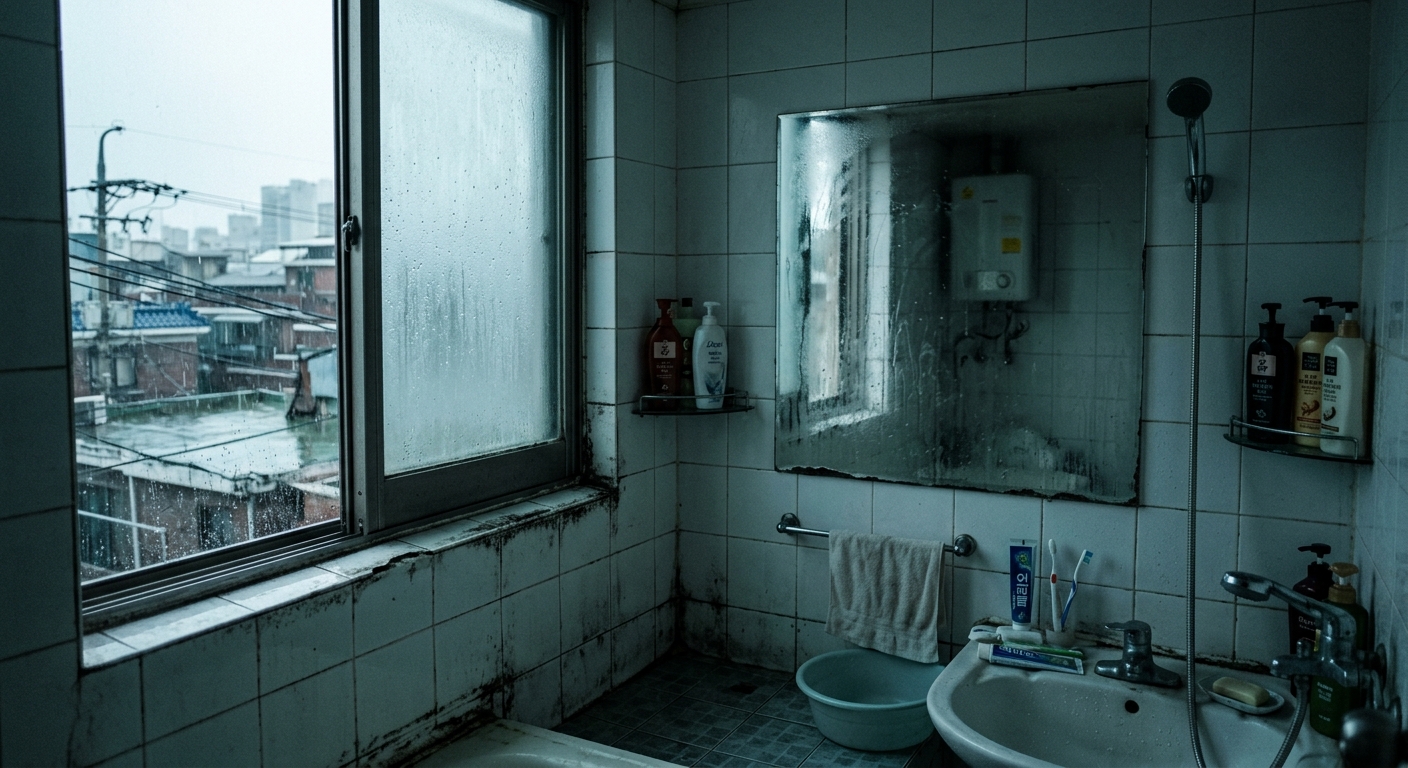
Mold doesn't start with the black spots you can see. It starts with spores, which are floating around your house right now and always have been. For those spores to take hold, they need three things: moisture, a comfortable temperature (basically anything that feels comfortable to you), and something to eat — dust, soap scum, drywall paper, leather. A stretch of humid weather lines up all three at once, which is why a spot that looked perfectly clean in May is fuzzy by July.
So getting rid of mold is really two separate jobs. One is killing and removing what's already growing. The other is dropping the humidity so it can't come back. If you only wipe the surface, the roots and spores stay put and you're doing this again in ten days. Read the surface-by-surface section below, then don't skip the prevention part at the end — that's the half that actually sticks.
Bathroom tile and silicone caulk
The bathroom is where mold shows up first and worst. Silicone caulk lines are the weak point, because water pools in them and they never fully dry. Tile itself wipes down pretty easily. Caulk is different — the mold grows down into the silicone, so scrubbing the surface barely touches it.
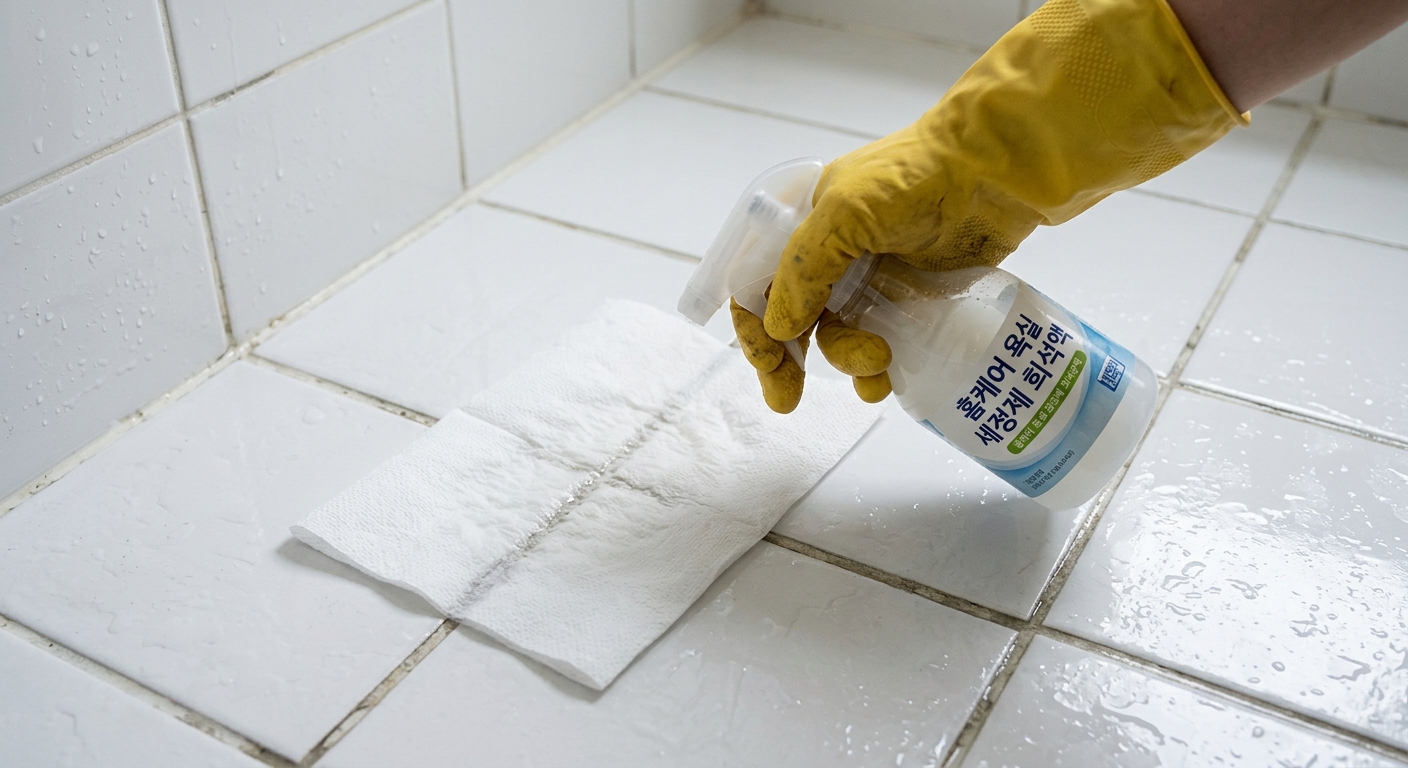
What works there is keeping bleach in contact with the caulk instead of letting it run off. Mix roughly 1 part bleach to 10 parts water (about 1½ cups of bleach per gallon) and spray it on. For vertical surfaces like caulk lines, lay a strip of paper towel or a cotton pad over the seam, soak it with the solution, and leave it for 30 minutes to an hour, then rinse. That poultice trick is the whole difference — it holds the bleach against a vertical surface long enough to work, and stains come out that scrubbing never would.
- Open a window or run the exhaust fan the entire time, and wear rubber gloves.
- Never mix bleach with vinegar, citric acid, or any acidic or ammonia-based cleaner. It releases chlorine gas, and that's a trip to the ER, not an inconvenience.
- When you're done, rinse thoroughly with water and then dry the area with a towel so you're not leaving moisture behind.
- Don't leave the poultice on all day thinking it'll work better. Thirty minutes to an hour is plenty — once the color lifts, rinse it off.
Walls: drywall, paint, and wallpaper
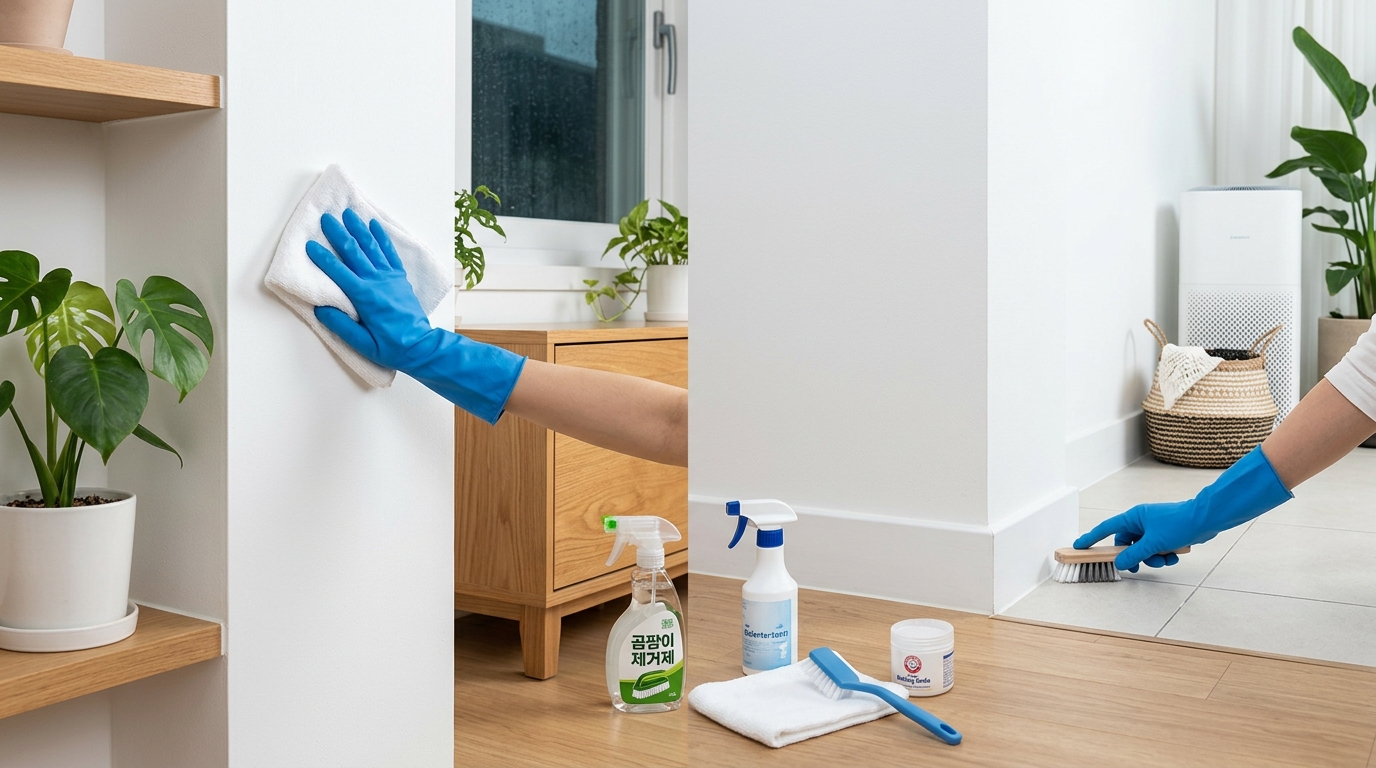
Walls need a completely different approach. Spray full-strength or heavily concentrated bleach on painted drywall or wallpaper and yes, the mold dies — but you're left with a faded, blotchy patch that looks worse than what you started with. And wall mold is almost always a symptom of something behind the surface: condensation on a poorly insulated exterior wall, or a slow leak. Clean the face of it and it just keeps pushing through.
For light, early growth, dampen a cloth with rubbing alcohol (70% isopropyl) and blot — don't scrub. Alcohol kills mold, is much gentler on paint and paper than bleach, and evaporates fast so you're not soaking the wall. But if it's spread over a large area, or it keeps bleeding back through after you clean it, surface treatment isn't going to fix it. At that point you're looking at cutting out and replacing the affected drywall, or at minimum priming with a mold-blocking primer and repainting. Worth knowing: the EPA's rule of thumb is that anything larger than about 10 square feet — roughly a 3x3 ft patch — is a job for a remediation pro. And if condensation is the cause, you have to deal with the insulation and airflow too, or you're just repainting the same wall next summer.
Closets, dressers, and entryway shoe storage
Closets and enclosed shoe cabinets are sealed boxes, so once they go damp, the mold and the smell hang around for a long time. If clothing or leather is already affected, check the care label — washable items can go through a hot wash or a soak in oxygen bleach (the OxiClean type, not chlorine). For the cabinet or closet interior itself, wipe it down with rubbing alcohol or a weak bleach solution, then let it dry completely with the doors open. Putting clothes back into a damp closet just restarts the clock.
Honestly, though, prevention beats removal here by a mile. Don't pack things in wall to wall — leave finger-width gaps so air can move between items. Toss in moisture absorbers (DampRid-style tubs, silica packs, or activated charcoal), and swap them out when they're saturated. Just getting in the habit of throwing the doors open for an hour on a dry, sunny day cuts closet mold dramatically.
Quick reference by surface, plus how to keep it gone
Here's everything above in one table. The cleaner and the cautions change depending on the material, so it's worth a glance before you start spraying anything.
| Surface | What to use | Key cautions |
|---|---|---|
| Bathroom tile & caulk | 1:10 bleach-to-water, paper towel poultice for 30–60 min | Ventilate, wear gloves, never mix with acidic or ammonia cleaners |
| Painted drywall & wallpaper | Blot with 70% rubbing alcohol | No strong bleach (it bleaches the finish); large areas need replacement |
| Closet & furniture interiors | Wipe with alcohol or weak bleach, then dry fully | Never restock while damp; leave air gaps |
| Shoe cabinets & entry storage | Wipe interior, keep absorbers/charcoal in permanently | Watch for dead air; air it out on dry days |
Prevention matters as much as the cleanup. Mold growth slows way down below 60% relative humidity, so this is ultimately a fight about humidity, not a fight about scrubbing. A cheap hygrometer costs about $12 and takes the guesswork out of it. Keep these habits going through the whole humid stretch of the year.
- Run the bathroom exhaust fan for at least 30 minutes after a shower, and the range hood after cooking. Most people shut them off way too early.
- On a dry day, open windows on opposite sides of the house and let cross-ventilation flush the air out completely.
- Run a dehumidifier or your AC's dry mode to pull humidity down, and pull furniture a couple of inches off exterior walls so air can circulate behind it.
- Put moisture absorbers or charcoal anywhere that stays damp — under sinks, in closets, in the basement — and replace them on a schedule.
Where to start today
The short version: use the right product for the material so you kill it down to the root, then drop the humidity so it can't re-establish. Bathroom gets the bleach poultice. Walls get rubbing alcohol. Closets and shoe storage get dried out and kept dry. That covers the vast majority of situations you'll run into.
Pick the one spot that bugs you most and handle it today, then start building the ventilation and dehumidifying habits tomorrow. Having a few things on hand ahead of time — moisture absorbers, a dedicated mold and mildew cleaner, a small dehumidifier for the room that's always damp — makes the whole humid season a lot less miserable.
How much should I dilute bleach?
About 1 part household bleach to 10 parts water — roughly 1½ cups per gallon — is plenty for typical bathroom mold. Stronger isn't better; it's just harsher on your lungs and your surfaces. Ventilate and wear gloves, and never combine it with vinegar, ammonia, or any acidic cleaner.
Can I use bleach on walls and wallpaper?
I'd skip it. Paint and paper both discolor easily and you end up with a permanent blotch. Use rubbing alcohol for light growth. If it covers a big area or keeps bleeding back through, fix the underlying cause (condensation or a leak) first, then repair the wall — mold-blocking primer and repaint, or replace the drywall.
Why does my mold keep coming back?
Either you only cleaned the surface and left the spores and roots behind, or the actual cause — high humidity — never changed. After you clean, you have to hold indoor humidity below 60% with ventilation and a dehumidifier. That's the part that makes the fix permanent.