Noon, in the office bathroom mirror. Your forehead is slick, your foundation has slid into the creases beside your nose, and your eyes are stinging for no obvious reason.
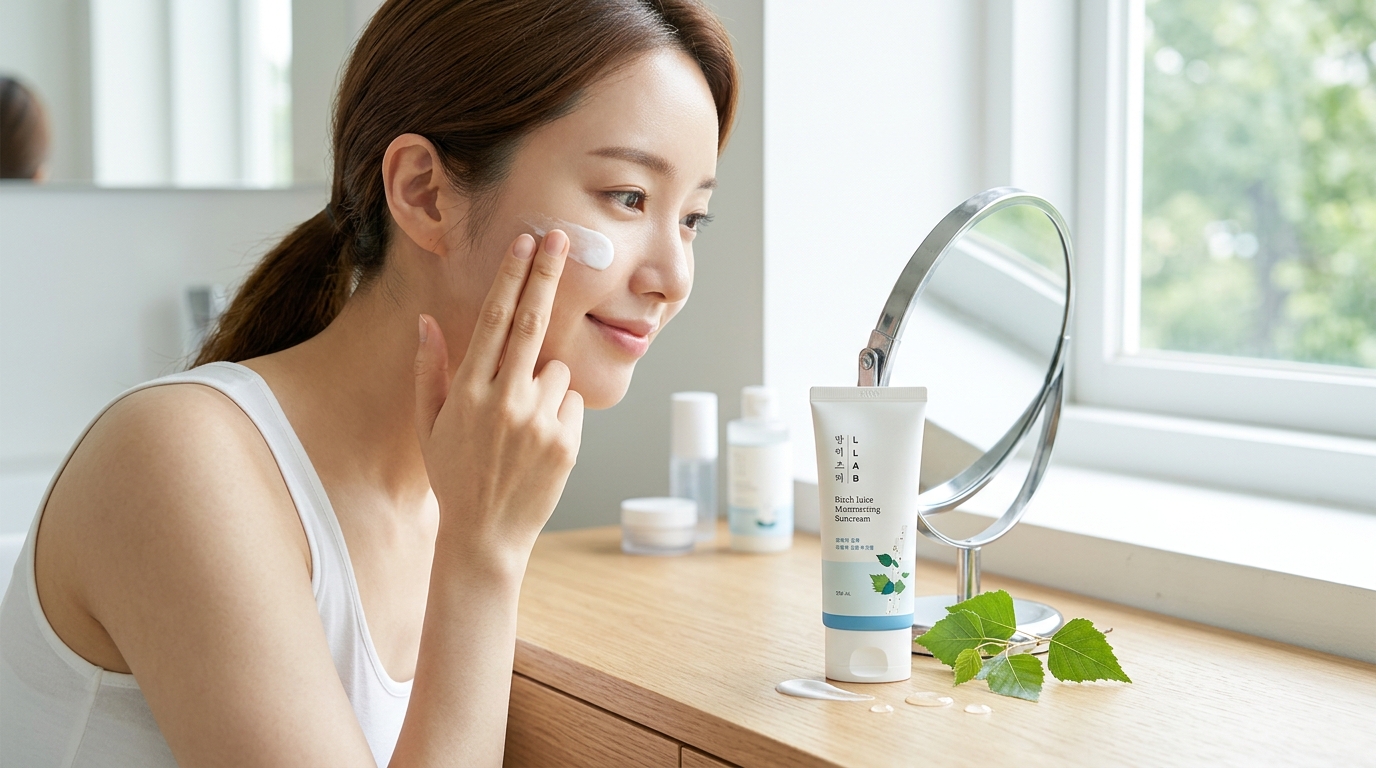
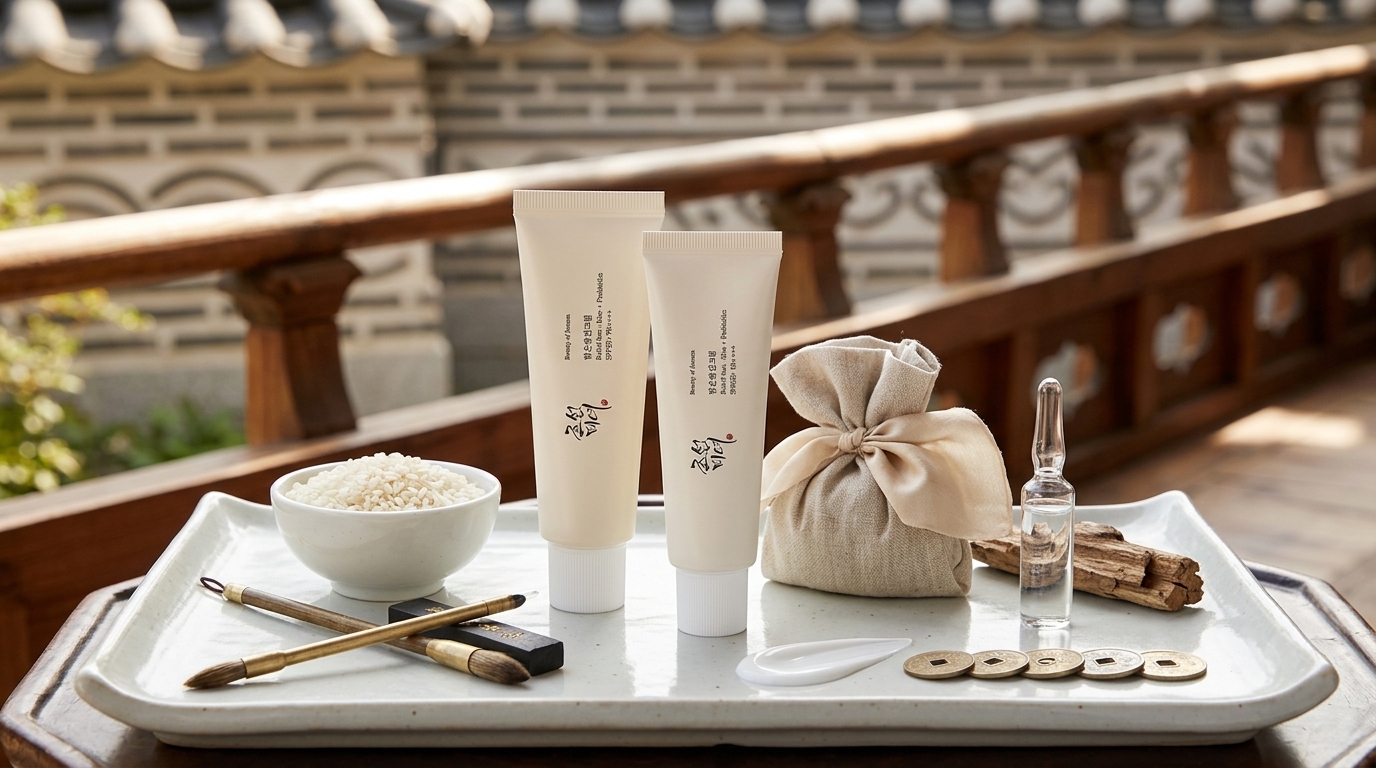
You definitely put sunscreen on this morning. So the real question is whether Beauty of Joseon Relief Sun: Aqua Fresh (Rice Water + Panthenol), SPF 50+ PA++++, 50 ml / 1.69 fl oz is the thing that finally breaks that cycle. I went through the reviews and pulled out only what people say over and over — not the one-off opinions.
Texture and finish, how it differs from the original Relief Sun, what people genuinely love, the downsides nobody should bury, and whether the price holds up. Five things to check before you buy. (Current as of July 2026.)
- It's a SPF 50+ PA++++ chemical sunscreen, but it's thin enough to pass for a lotion — almost no white cast, almost no midday shine.
- Lighter than the original Relief Sun, with a natural-to-semi-matte finish. It suits oily and combination skin in summer heat far better.
- Two real weak spots: it's not enough hydration on its own for very dry skin, and if you apply a full dose, 50 ml disappears faster than you'd think.
What this sunscreen actually is, in 30 seconds
The full name is Relief Sun: Aqua Fresh — Rice Water + Panthenol. It's the sister product to the original Relief Sun (the rice + probiotics one that blew up on TikTok), and per the brand it launched in August 2024.
Protection is SPF 50+ PA++++, which is the top of the Korean labeling scale. Size is 50 ml (1.69 fl oz), and it's a chemical (organic filter) sunscreen — which is why you don't get the thick, chalky, ghost-face effect mineral formulas are known for.
A quick note for US shoppers: PA++++ is an Asian UVA rating, not an FDA one, and Korean sunscreens like this are imported and sold here as cosmetics rather than FDA-approved OTC sunscreens. That doesn't make the filters sketchy — they're widely used and well studied elsewhere — but it does mean you won't see "broad spectrum" in FDA wording on the tube. PA++++ is the equivalent claim.
The name tells you most of the story.
"Rice water" refers to rice-derived ingredients, which the brand puts around 30% of the formula. On top of that sits panthenol (vitamin B5), a longtime hydrating and soothing ingredient. In other words, the formula leads with the exact thing sensitive skin fears most in a sunscreen — irritation — and tries to head it off.
The single most repeated line in reviews: "it feels like I'm putting on lotion, not sunscreen." Somewhere between a sun lotion and a sun milk, and clearly runnier than the original. The other thing people mention constantly is that it feels cool going on.
How it differs from the original Relief Sun
This is where everyone gets confused. Similar names, identical protection ratings.
The actual difference comes down to one thing: the kind of hydration. The original leaves skin looking dewy. Aqua Fresh leaves it feeling hydrated but looking dry-touch.
| Feature | Relief Sun (original) | Relief Sun: Aqua Fresh |
|---|---|---|
| Protection | SPF 50+ PA++++ | SPF 50+ PA++++ |
| Size | 50 ml (1.69 fl oz) | 50 ml (1.69 fl oz) |
| Filter type | Chemical | Chemical |
| Hero ingredients | Rice extract + grain ferment | Rice water + panthenol (B5) |
| Texture | Light cream / sun lotion | Thinner — sun lotion to sun milk |
| Finish | Natural to dewy (glow) | Natural to semi-matte (dry-touch) |
| Cooling effect | Barely any | Noticeably cool on application |
| Best for | Year-round, dry days, glowy base | Summer days, outdoors, oily skin |
Tight and dry in winter and you want glow? Original. Hate feeling greasy in July and want a dry finish? Aqua Fresh.
People who've used both land in almost exactly that spot. Which also means protection isn't the deciding factor here — the numbers are identical.
Why every review says the same three things
When one or two people love a product, that's personal preference. When the same sentence shows up across Reddit threads, YouTube reviews, and retailer sites, that's not preference — that's the formula itself.
Three lines come up constantly.
- No white cast — none of that "my face is a different color than my neck" problem
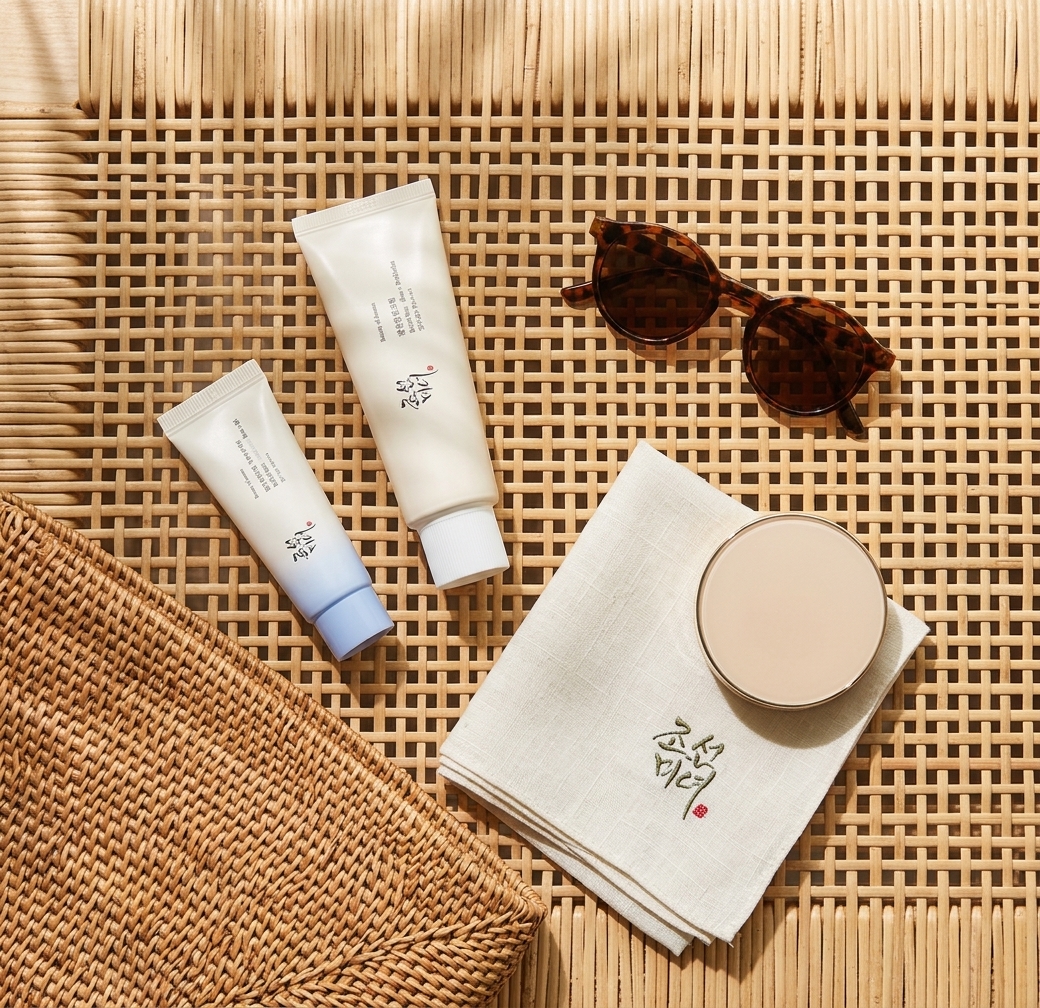
- Makeup doesn't pill or slide — you can layer foundation or a cushion compact (the Korean sponge-in-a-compact kind) on top without it balling up
- It doesn't feel suffocating — acne-prone users report it not clogging things up
Of those, the second one is what actually decides purchases. A sunscreen can be as gentle as it wants; if you can't put makeup over it, it's useless to anyone who does their face every morning. Reviewers repeatedly describe it absorbing fast and sitting matte enough to work like a light primer.
The trade-off is less glow than the original. If you're after a lit-from-within base, you'll need to build that back with something else.
The third point matters more in summer than it sounds. Panthenol's soothing feel plus the cooling sensation on application means people say they don't dread reapplying midday — which is the whole battle with sunscreen. On eye stinging, the majority say it doesn't sting, but there's an exception worth covering below.
So what's not great about it?
A review that's all praise isn't a review. Three things are worth knowing before you order.
One: it's not enough hydration for very dry skin. Plenty of reviews land on "better suited to oily and combination skin." If your skin feels tight from the inside out, don't expect this to do your moisturizing for you — put a proper hydrating cream underneath. That said, some drier, sensitive-skinned users report it working fine, so treat this as season- and humidity-dependent. In an air-conditioned office in February, different story than a humid August.
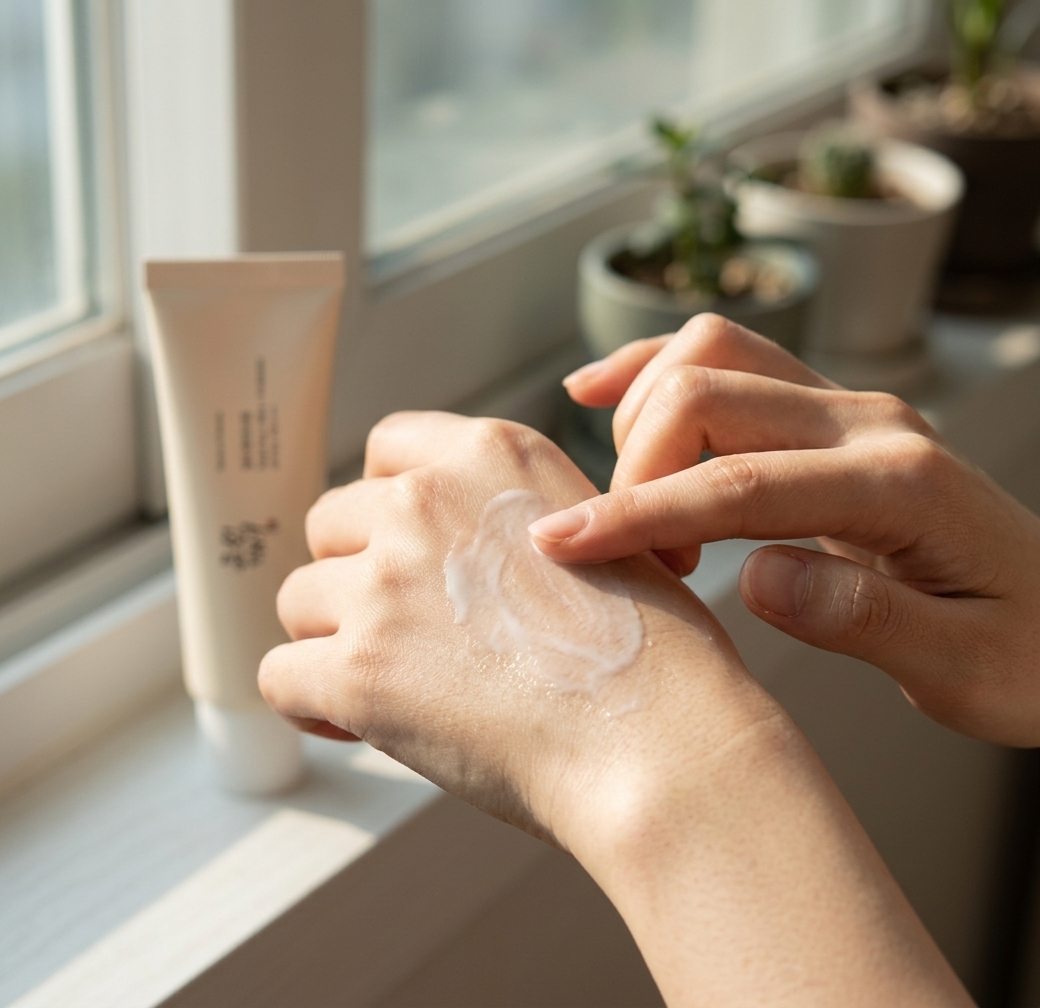
Two: it runs out faster than the tube size suggests. The math is simple. A full face dose is roughly a US quarter's worth — about 0.8 ml, or a scant quarter teaspoon. At one application a day, 50 ml is about two months. Reapply through a beach day and you're burning through it far faster.
Yet reviews routinely mention stretching a tube three or four months. Why the gap? Nine times out of ten it means people are applying less than the recommended amount — which quietly lowers the SPF they're actually getting.
Three: it isn't irritation-free for everyone. Some people with sensitive eyes do report stinging, and there are international reviews of it triggering breakouts. Chemical filters simply have more person-to-person variability than mineral ones. Great reviews are never a guarantee that a sunscreen will suit your face — that's true of every sunscreen ever made.
None of the three is a dealbreaker, though. The first you solve with the step before it, the second by planning your reorder, and the third with a small patch test behind the ear or along the jaw for a couple of days.
So which camp are you in? Find your line below and the decision takes about three seconds.
- Oily or combination skin that goes shiny by lunch
- Anyone burned out on mineral sunscreen's white cast and thickness, looking to switch to a chemical formula
- Anyone who layers foundation or a cushion over sunscreen every single day
- Anyone with outdoor plans or a vacation coming up who'll be reapplying a lot
- Sensitive types who want a daily formula with soothing ingredients built in
And if any of these describe you, look at the original or something else entirely.
- Very dry skin that feels tight — this alone won't carry your hydration
- You love a glassy, glowy base — the dry-touch finish will disappoint you
- Swimming or long sweaty workouts — get something labeled water resistant
- You've reacted to chemical filters before — mineral is the safer bet
At around $12, is it worth it?
Price first, because this is a moving number, not a fixed one.
As of July 2026 the brand's official list price in Korea is in the 18,000 KRW range (about $13), and on marketplace sellers or during promos it often lands closer to 12,000–15,000 KRW (roughly $9–11). In the US, expect somewhere around $12–18 depending on where you buy — Amazon, YesStyle, Stylevana, and Olive Young Global all price it differently, and shipping can erase a "deal." Compare two or three places before you check out.
Say you paid $12. The math is clarifying.
Apply a full dose once a day and it lasts about two months — roughly 20 cents a day. Stretch it to four months and it's a dime a day. Call it six bucks a month, less than two lattes.
And sunscreen is the one category in skincare where the evidence is genuinely airtight. UV protection is directly tied to hyperpigmentation and photoaging, so cutting corners here is almost always the expensive choice in the long run.
The catch is that even a great sunscreen is worthless if the texture annoys you, because you won't reach for it. Unused sunscreen protects nobody.
That's precisely where this one earns its keep. It pairs top-tier protection with a texture you'll actually use daily, for around twelve dollars. For something you consume every morning, price is just another word for sustainability.
It's not a do-everything product, though. Want glow? The original in the same line. Nervous about chemical filters? Go mineral. Planning pool days? Get a dedicated water-resistant formula.
The 5 questions people ask before buying
If I can only buy one — this or the original?
Split it by season and you'll rarely regret it. Hot weather or naturally oily skin, go Aqua Fresh. Dry season or you want a hydrated, dewy finish, go original. Protection is SPF 50+ PA++++ on both, so that's not a tiebreaker.
Can I reapply it over makeup?
The thin, fast-absorbing texture makes it one of the easier ones to layer. But rubbing any sunscreen into finished makeup will wreck it — press and pat it on instead. If keeping your makeup intact is the priority, a sunscreen stick or sun cushion is the smarter tool for touch-ups.
Does it really not sting your eyes?
Most reviewers say no. But a minority with genuinely sensitive eyes do report stinging. Start by leaving about an eighth of an inch (3–4 mm) of margin around the eye area, and move in closer once you know you're fine.
How do I take it off?
People consistently call it easy to remove. Even so, sunscreen generally doesn't come off completely with a water-based cleanser alone, so on days you've worn it for twelve hours, melt it off with an oil or balm first, then follow with your regular face wash.
Will one 50 ml tube last me all summer?
Applying a proper dose daily, the math says about two months. Buy in June and you're scraping the tube by August. If you want to cover the whole season, a two-pack or a reorder you've already planned for ends up cheaper than panic-buying whatever's at the drugstore.
If you only do one thing today
Squeeze out a quarter-sized dollop of whatever sunscreen you currently own onto the back of your hand. That is what one face actually takes.
If it looks like a lot, there's a good chance you haven't been getting even half the SPF printed on the tube. That's the whole argument for a lightweight texture: nobody applies that much of something thick and stifling.
You can narrow the decision to one question. Which bothers you more — being shiny at noon, or feeling tight by late afternoon? If it's the former, Aqua Fresh is your bottle.
Summer is short. UV isn't.